

20+ Years of Technical Expertise
A comprehensive one-stop enterprise specializing in environmental protection systems, including exhaust gas treatment, air purification, and dust-free, sterile cleanrooms.

Defa Environmental empowers you to drive high-efficiency revenue growth and creates value through partnership.
A comprehensive provider integrating air purification, exhaust gas treatment, and cleanroom solutions.

FAQ
Quick answers to the most common inquiries from our global clients.
How Do I Know Which Waste Gas Treatment System Is Right For My Factory?
How Do You Guarantee The Emission Standards Compliance?
Every system undergoes a 3-stage quality check before delivery. We provide a Performance Guarantee Certificate ensuring removal rates up to 99%+. We also offer on-site commissioning and third-party testing assistance to meet EPA, EU, or local GB standards.
Are Your RTO Systems Energy-Efficient? What Is The Operational Cost?
Do You Provide After-Sales Technical Support For Overseas Clients?
Absolutely. We offer 24/7 remote technical support, video guidance for installation, and free spare parts for critical components within the warranty period. We can also dispatch our engineers overseas for project supervision upon request.
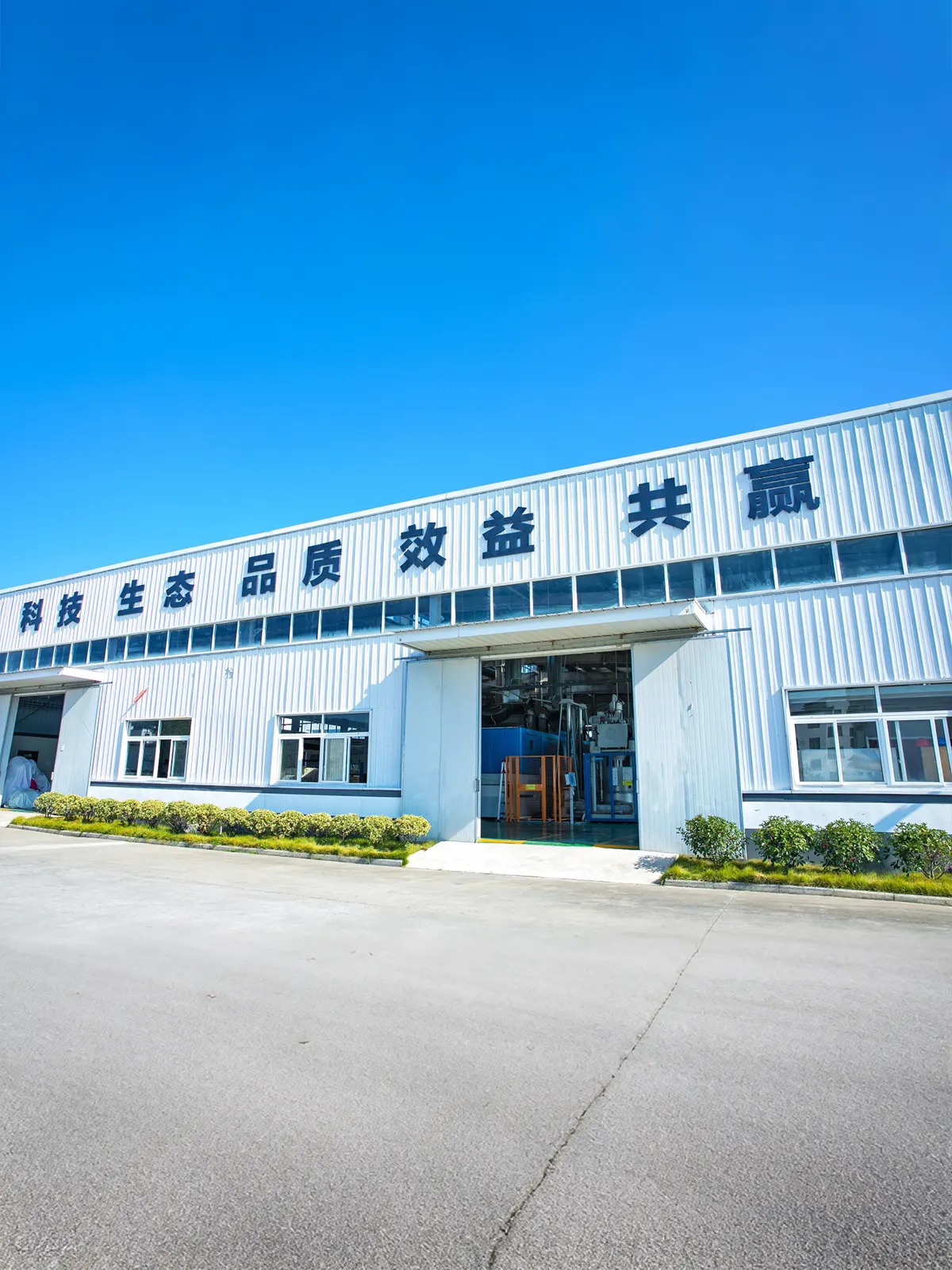
Company Profile
DeFa Environmental Equipment (Ningbo) Co., Ltd.
With over 20 years of continuous innovation, DeFaee Environmental specializes in waste gas treatment, air purification, industrial dust removal and intelligent control systems. We provide end-to-end solutions from R&D and manufacturing to system integration and after-sales support.
Our Core Technical Strengths:
- RTO (Regenerative Thermal Oxidizer): 99%+ VOCs removal rate, 95%+ heat recovery efficiency
- Wet Scrubber & Wet ESP: High-efficiency acid mist and particulate removal for chemical and metallurgical industries
- Plasma & High-Voltage Power Supply: Self-developed intelligent digital HV power supplies for stable, reliable electrostatic precipitation
- Biological Deodorization: Corrosion-resistant PP systems for kitchen waste, livestock farms, and biopharmaceutical applications
- CO Oxidation Furnace: Two-stage heat exchange design with 99%+ conversion rate and low operating cost
Industries We Serve:
Machinery & Auto Parts | Chemical & Petrochemical | Photovoltaic & Solar Manufacturing | Food Processing | Metallurgy & Building Materials | Pharmaceutical & Biotech | Municipal Solid Waste Treatment
Learn More About Our Factory & CapabilitiesDefaee is a leading China manufacturer of waste gas treatment, industrial dust removal, and air purification systems. Offering OEM & customized solutions with factory price. Get a quick quote today.
Featured Products
Focusing on researching air purification and waste gas treatment processes and technologies
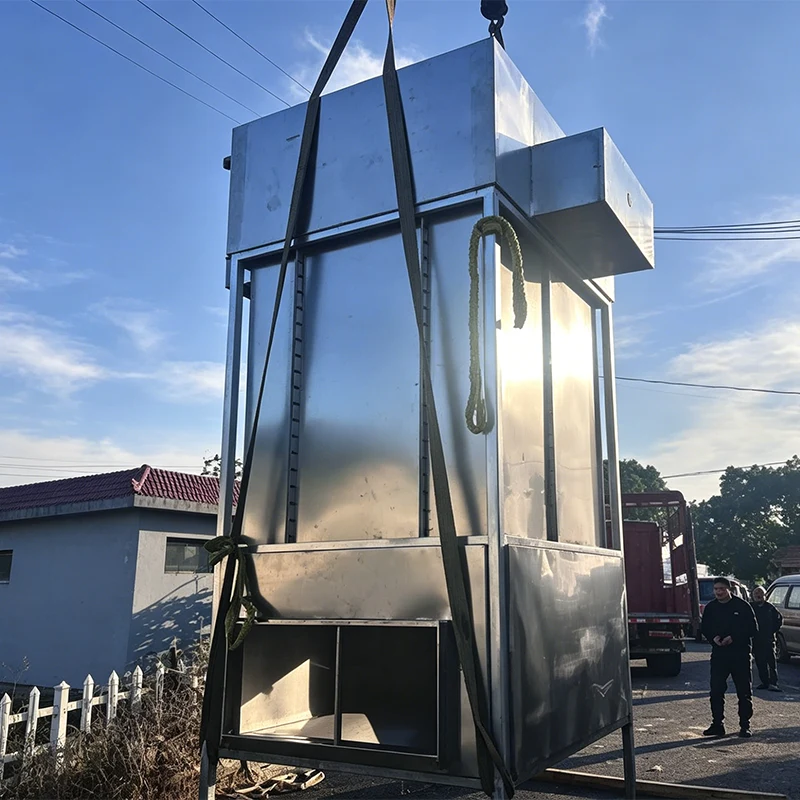
Waste Gas Treatment Equipment for Quenching Process
+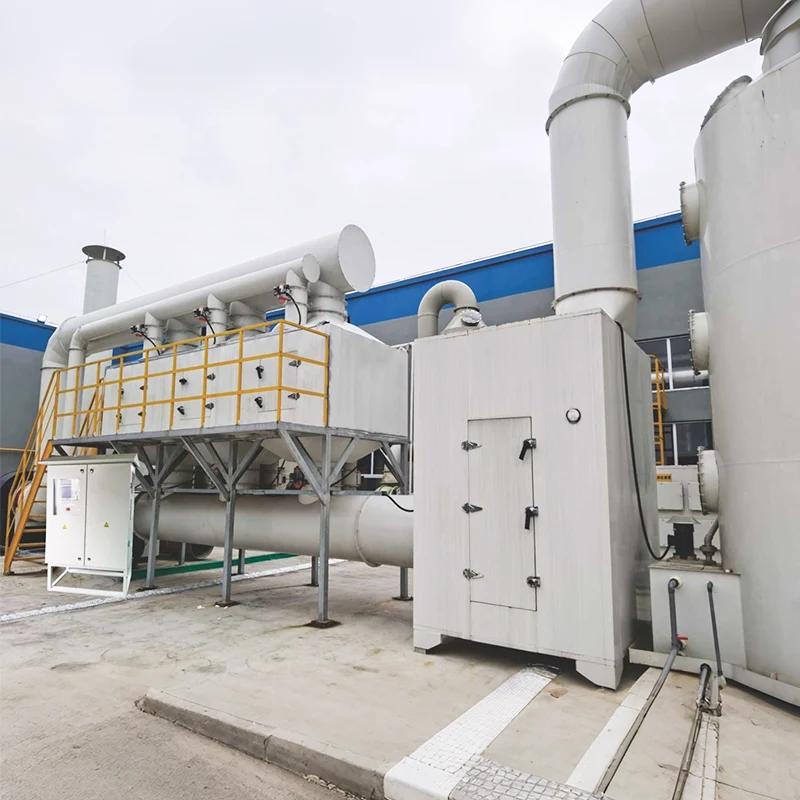
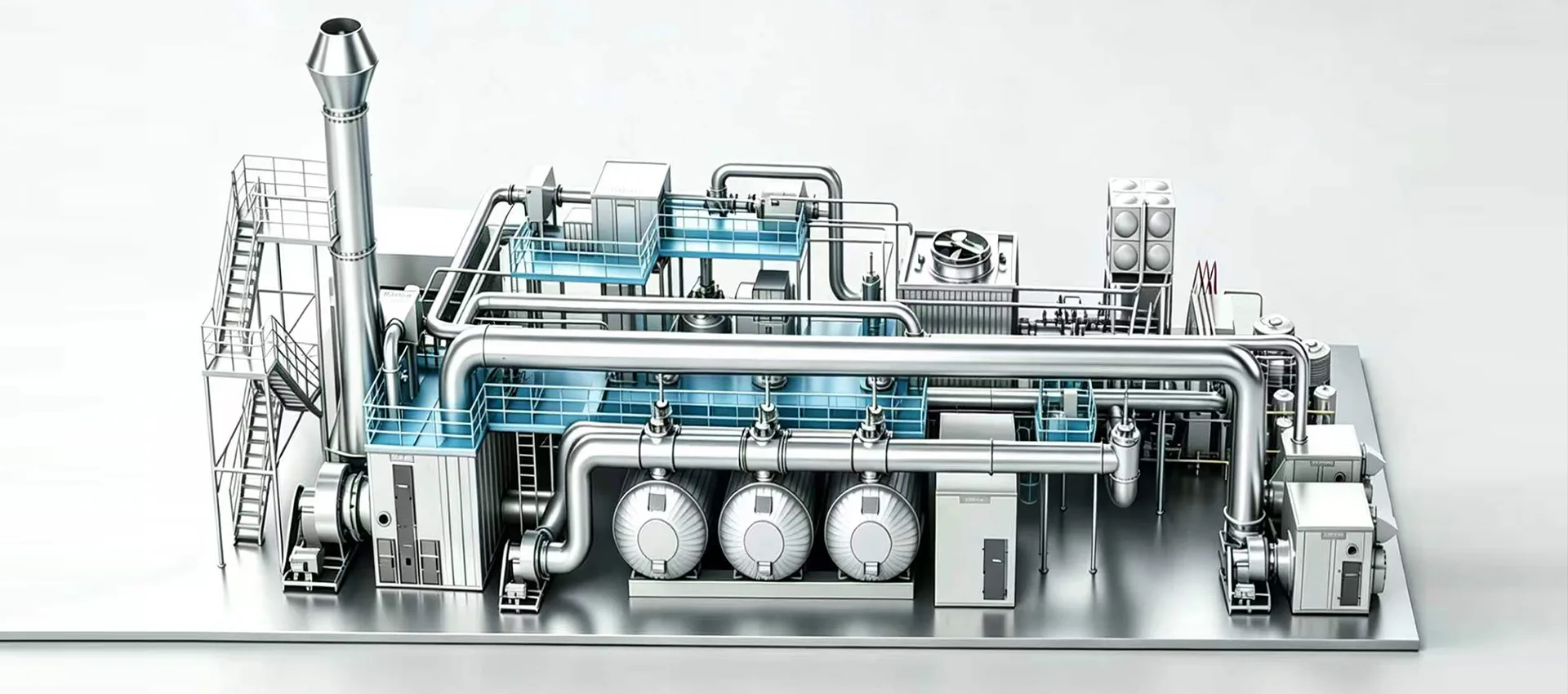
Regenerative Thermal Oxidizer Equipment
+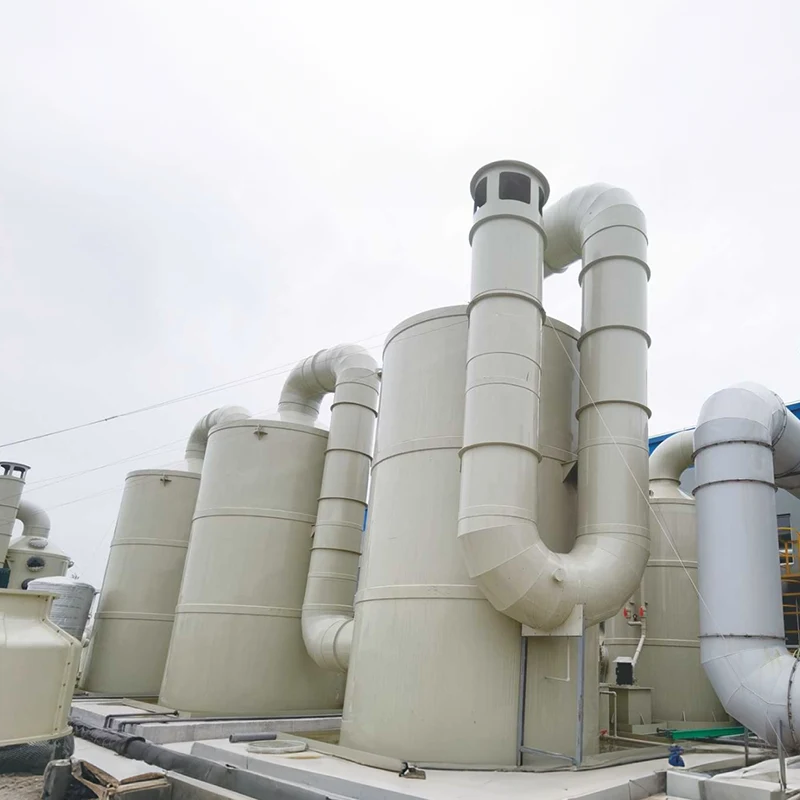
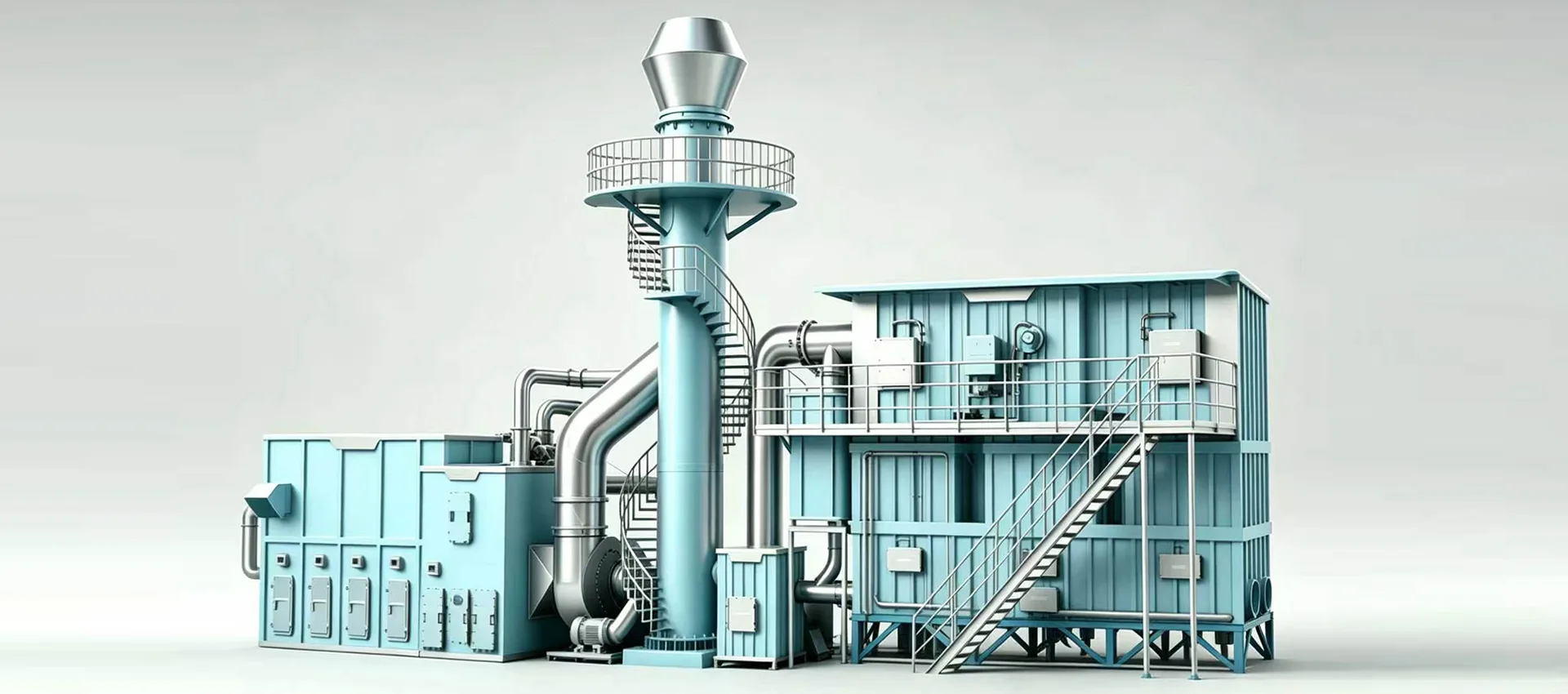
PP Biological Deodorization Tower and Air Duct
+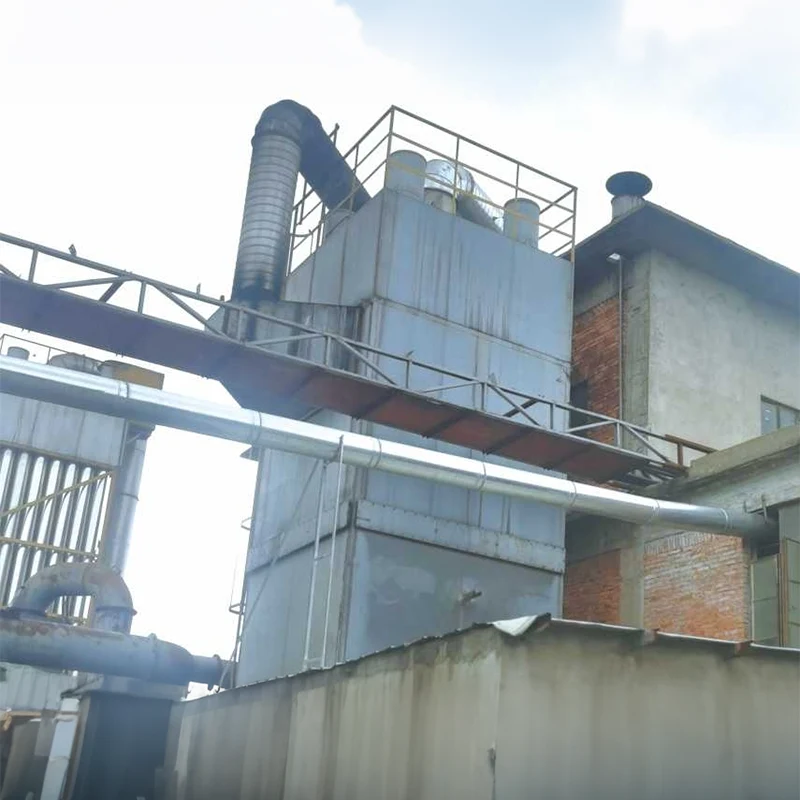
Waste Gas Treatment Equipment for Plastic Pyrolysis Recycling
+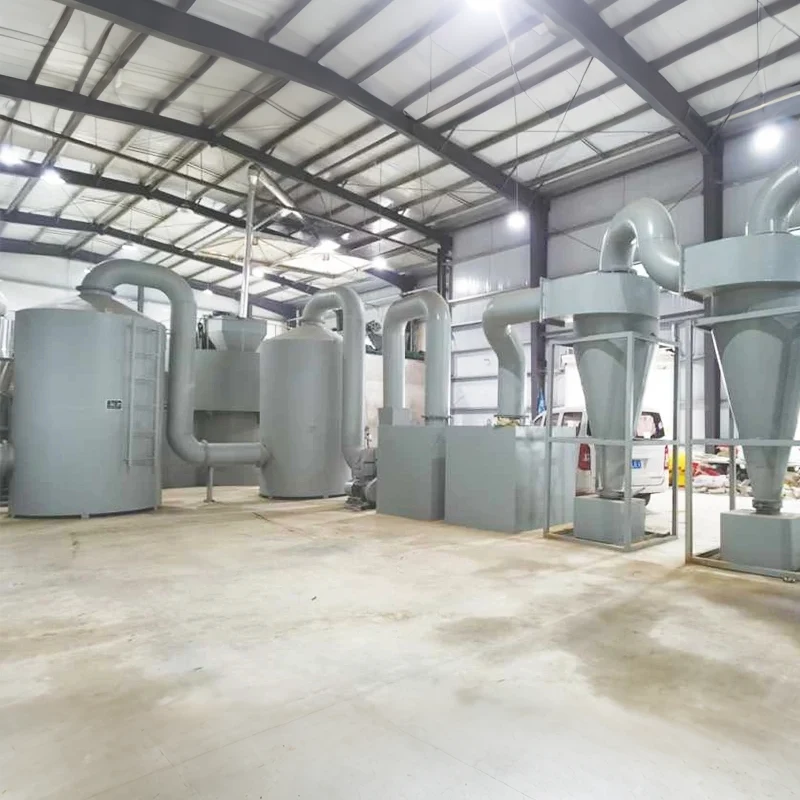
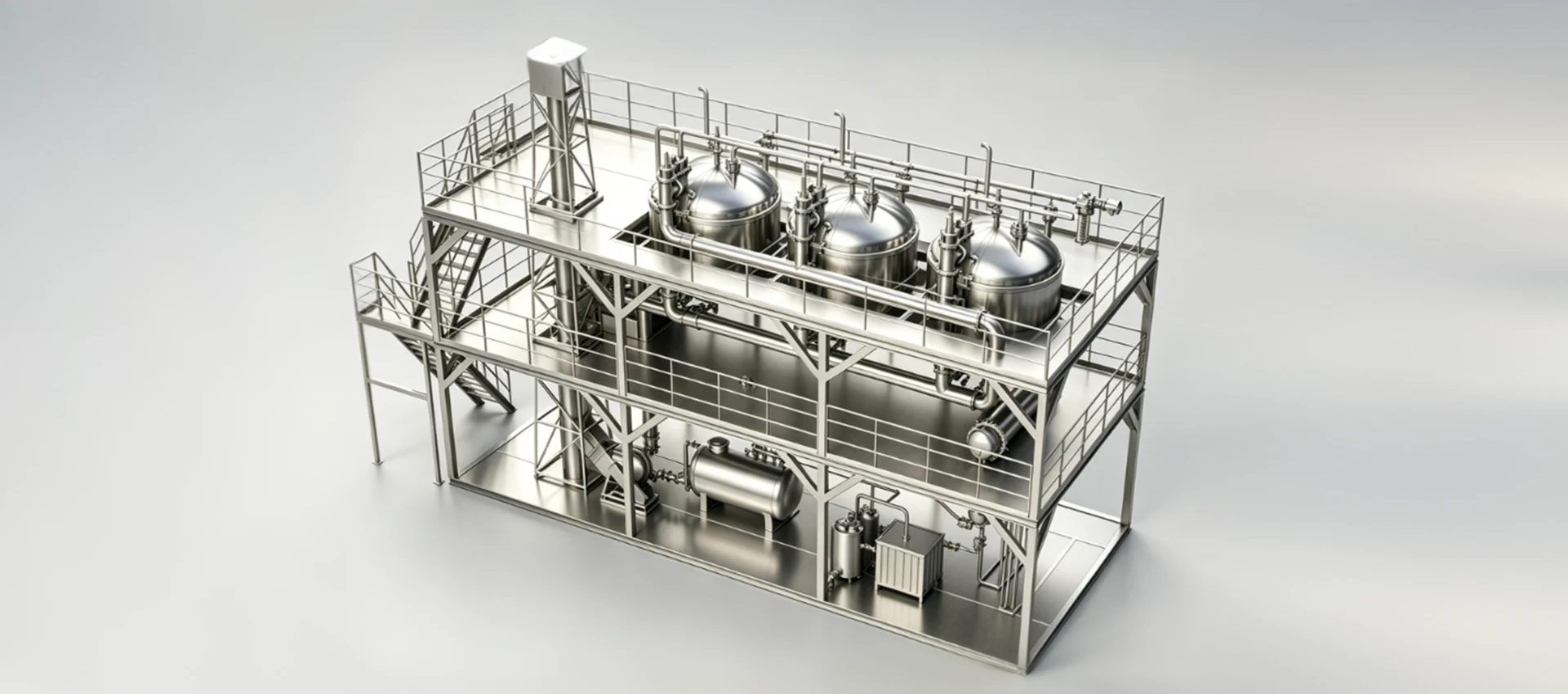
Garbage Pyrolysis Comprehensive Treatment Equipment
+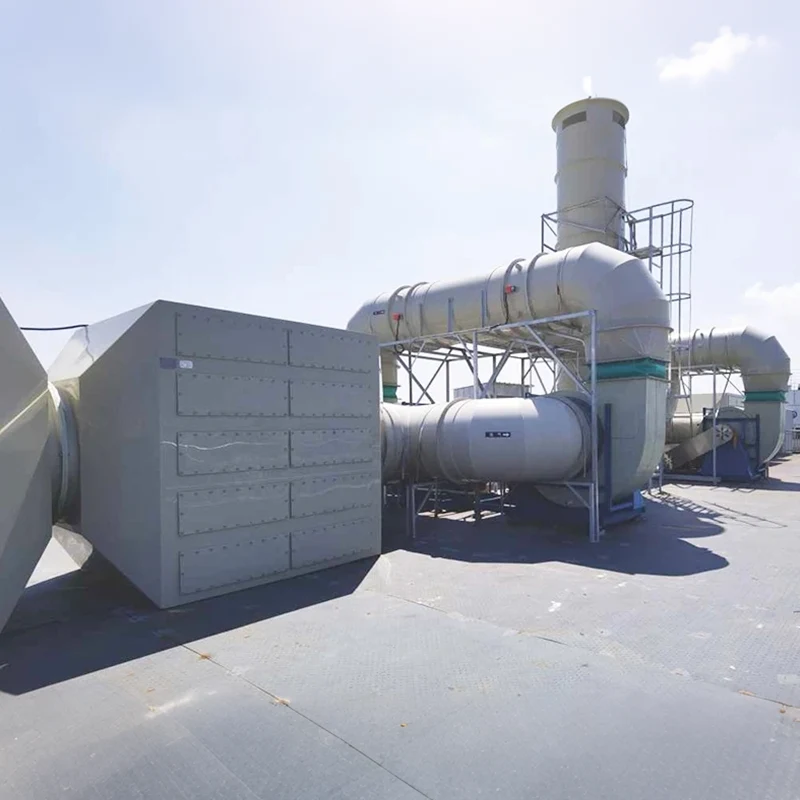
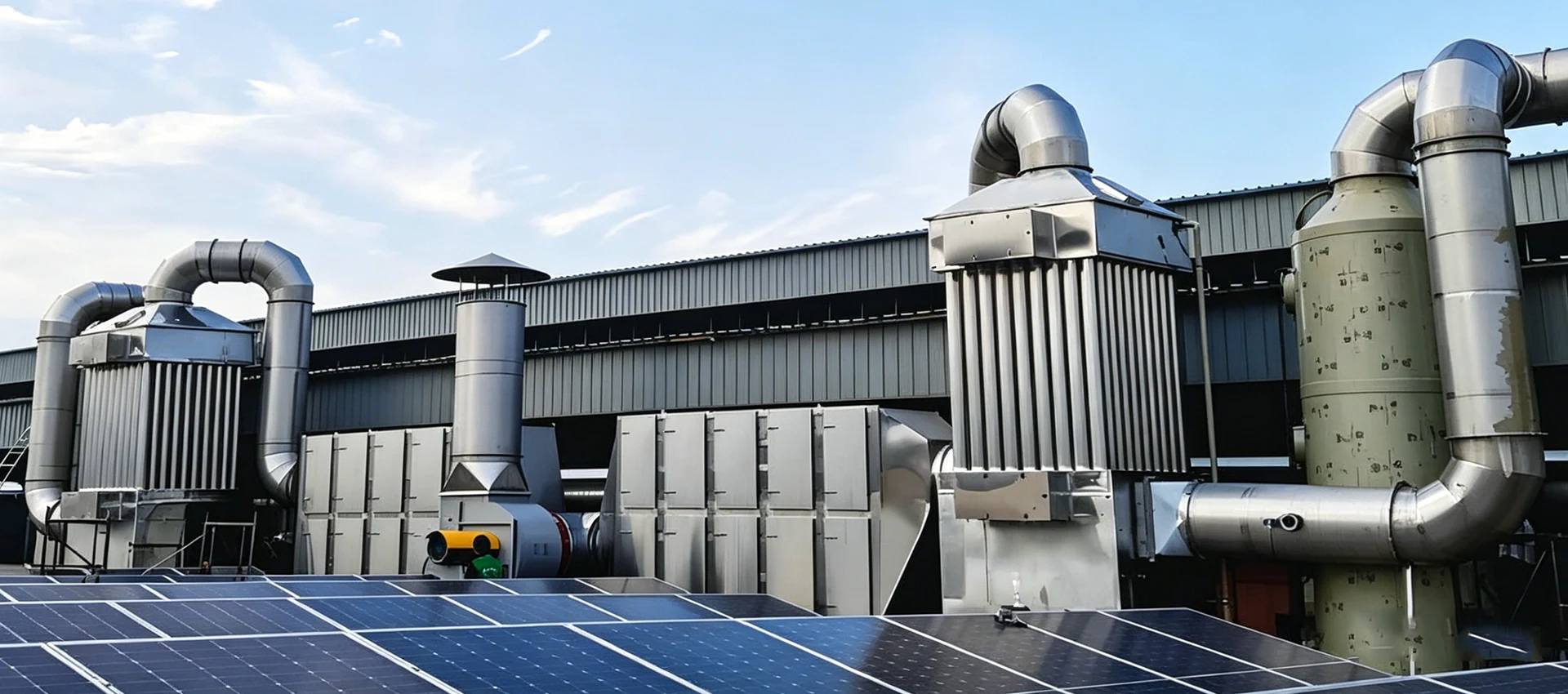
Photovoltaic Organic Waste Gas Treatment Equipment
+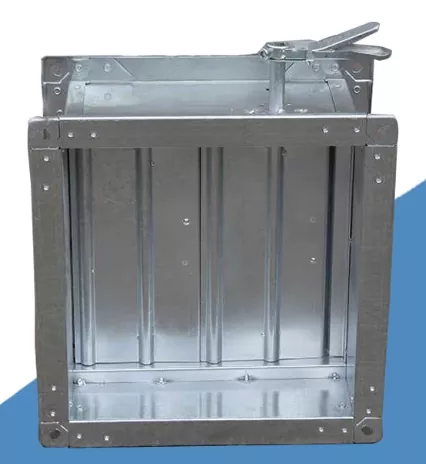
Rectangular Air Volume Control Damper
+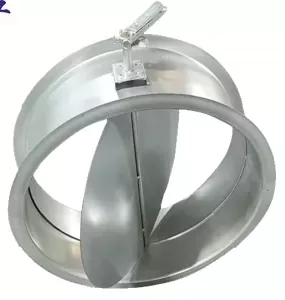
Round Air Volume Control Damper
+Get In Touch
For inquiries about our products or pricelist, please leave your email to us and we will be in touch within 24 hours.
Address
No. 661 Cangchu Road, Jiangbei District, Ningbo City,ZHEJIANG PROVINCE,CHINA
Tel
News & Blogs
Expert insights, technical guides, and project case studies on waste gas treatment, VOCs removal, and air pollution control solutions
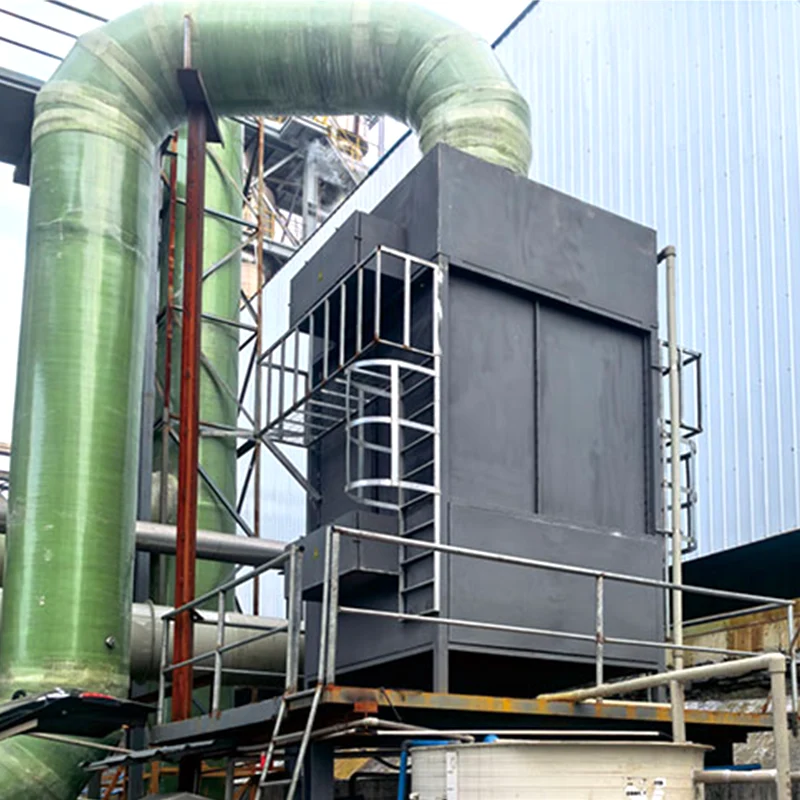
What is a three acid waste gas treatment system?
+The three acid waste gas treatment system mainly adopts the combination process of "spray tower+wet electrostatic precipitator" to efficiently remove acidic gases and acid mist such as hydrochloric acid, sulfuric acid, nitric acid, etc., achieving ultra-low emissions.
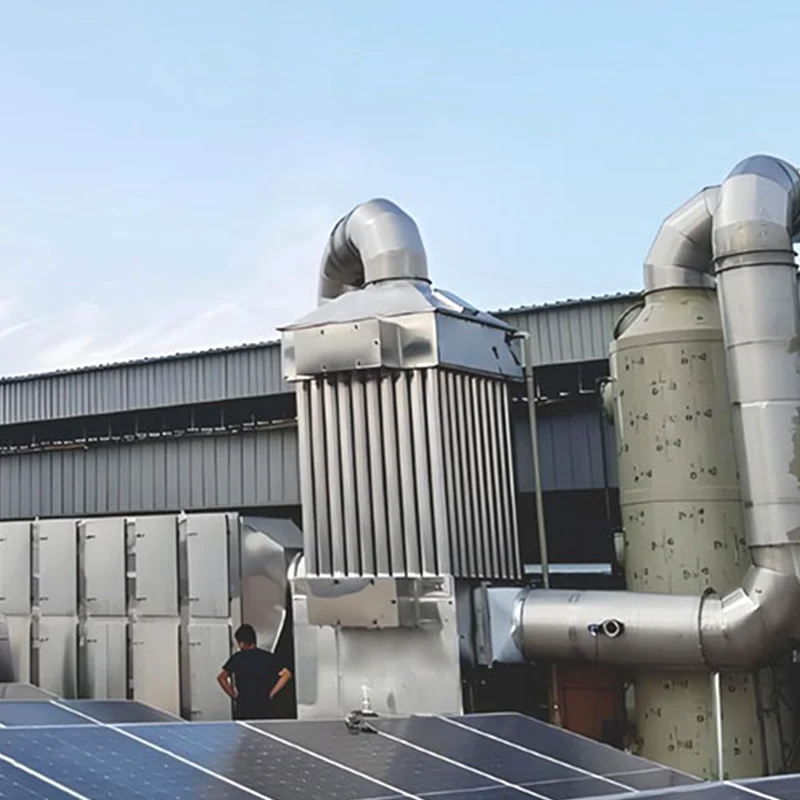
What is the treatment of organic waste gas from a thermal turbine?
+The main components of organic waste gas from the hot forging machine are oil mist, volatile organic compounds (VOCs), particulate matter, and odorous gases. Its treatment requires the use of a "multi-stage purification+combined process" to achieve efficient emission control.
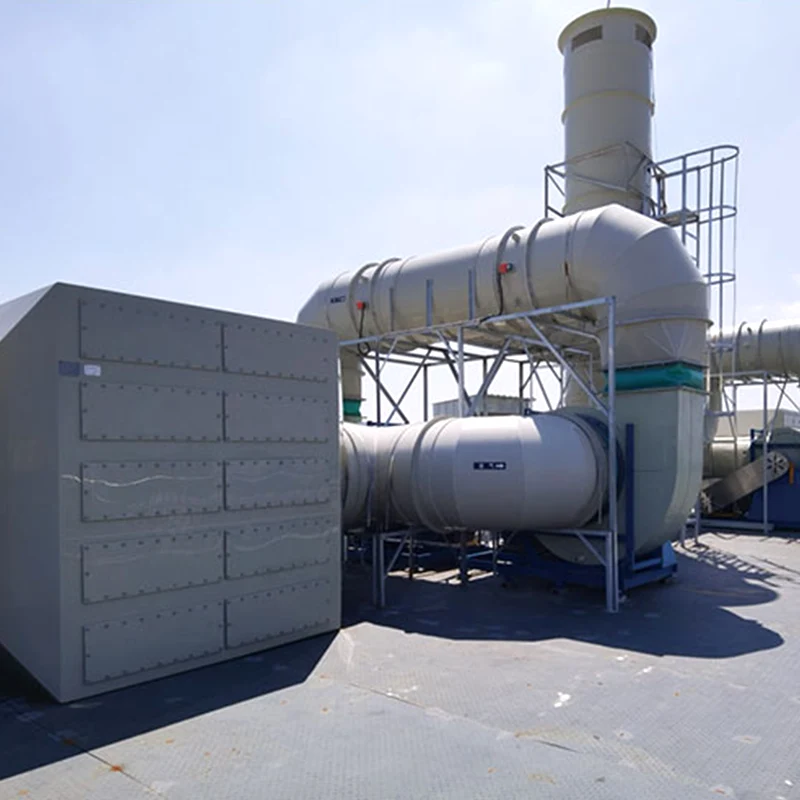
What is photovoltaic organic waste gas treatment?
+The treatment of photovoltaic organic waste gas mainly adopts the combination process of "adsorption concentration+catalytic combustion" or "zeolite wheel+RTO" to efficiently remove VOCs pollutants such as non methane total hydrocarbons and organic solvent volatiles produced by EVA pyrolysis.
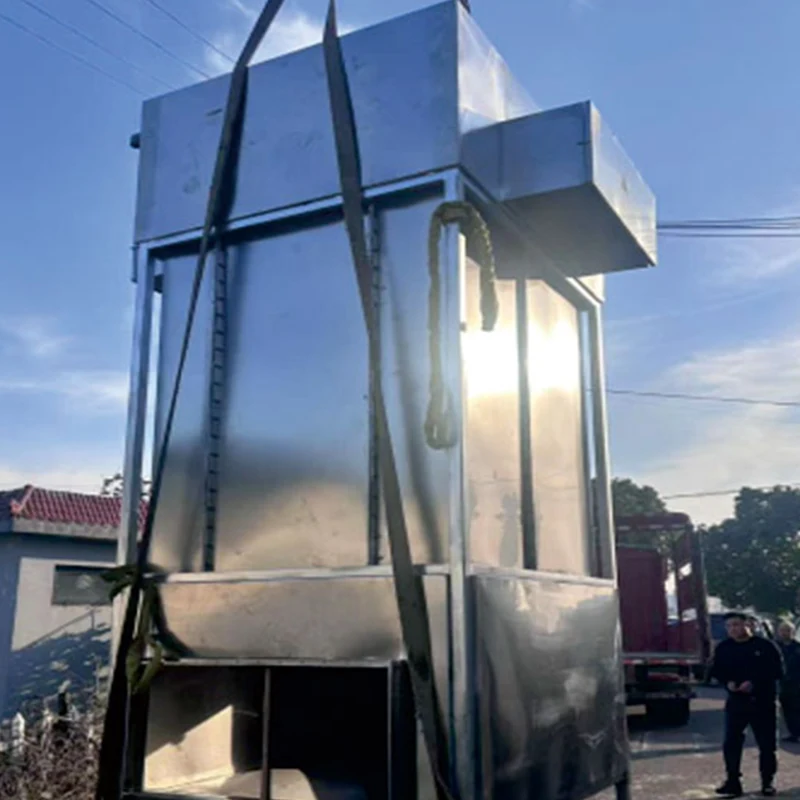
What Complete Process Effectively Treats Complex Quenching Waste Gas Containing Oil Mist, VOCs and Particulates?
+The main components of quenching process exhaust gas are oil mist, volatile organic compounds (VOCs), particulate matter, nitrogen oxides, and hydrocarbons. The treatment plan usually adopts a combination of "pretreatment+core purification+deep treatment" process.
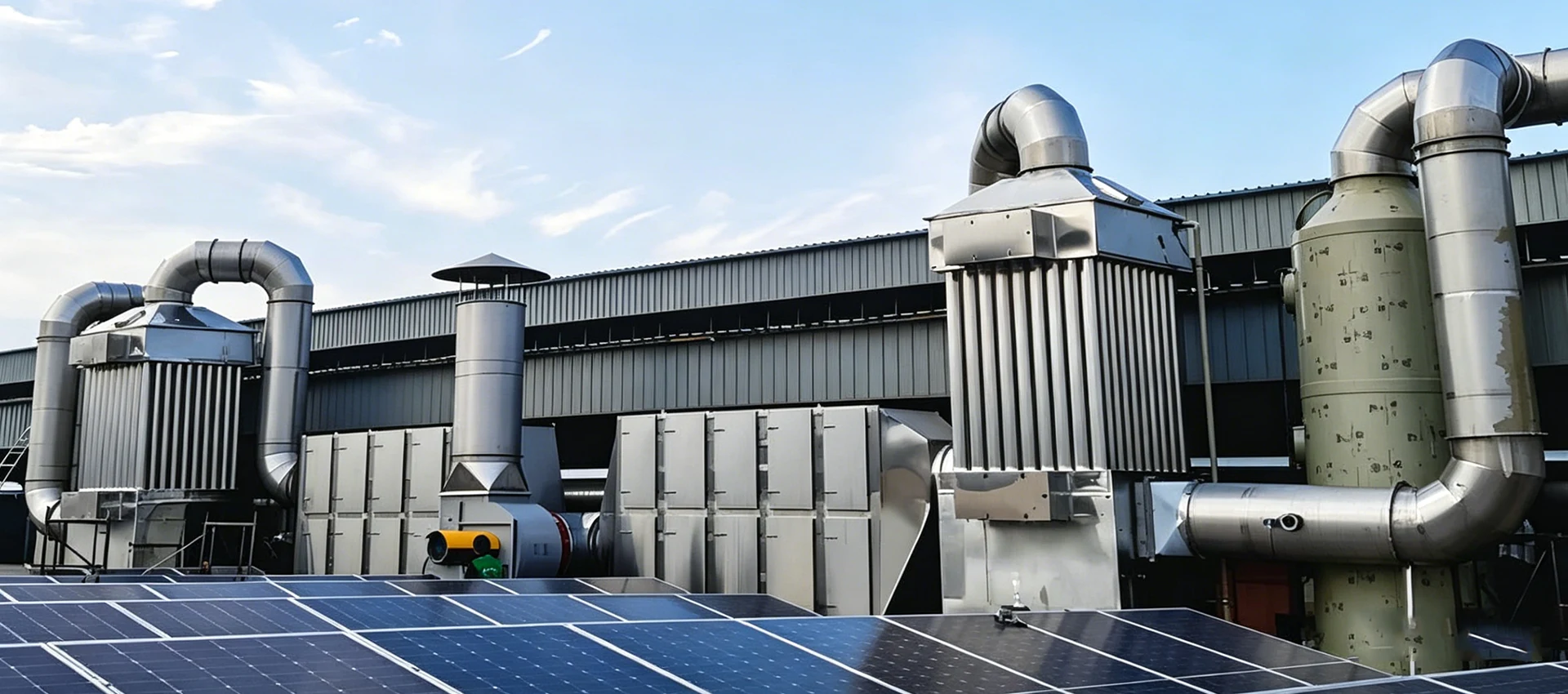
Zeolite Rotor Concentrator + RTO: How the Combined VOC System Works
+A zeolite rotor concentrator captures compatible VOCs from a large, dilute process-air stream. As the wheel rotates, a smaller heated desorption stream releases the adsorbed VOCs and carries them to an RTO at a higher concentration. The RTO then oxidizes the concentrated stream, while most of the main airflow leaves the adsorption section after treatment. The combination can make sense when direct oxidation of the full airflow would waste energy. It does not reduce the incoming pollutant mass, and it is not suitable for every compound. Rotor media selection, pretreatment, humidity, gas temperature, desorption conditions, concentration peaks, lower explosive limit controls and downstream oxidizer duty must be engineered from representative process data.
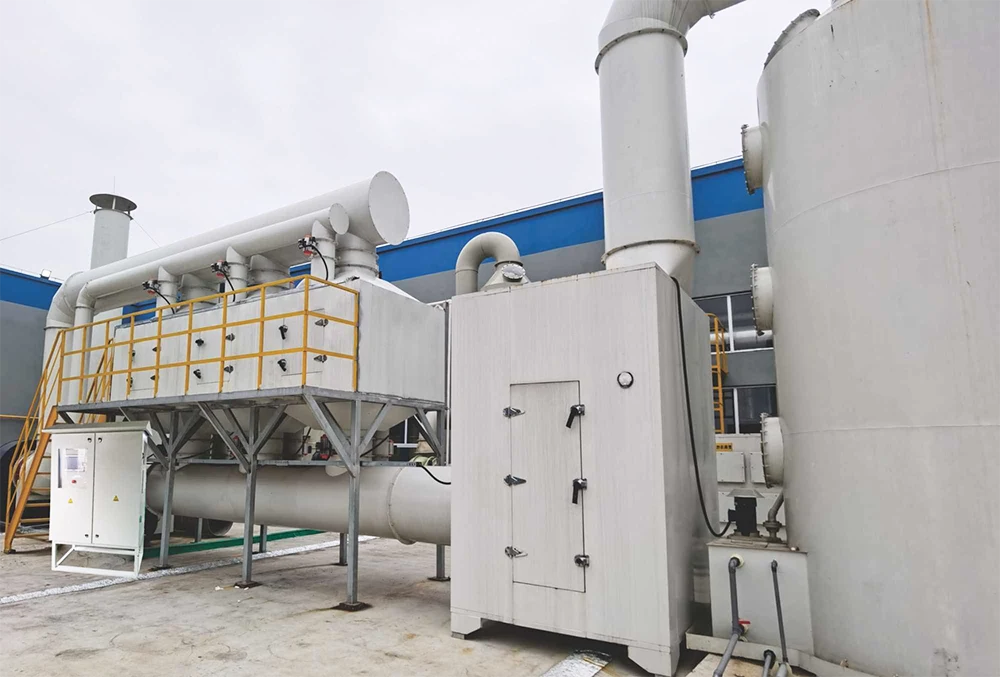
RTO vs Catalytic Oxidizer: Which VOC Control System Fits Your Process?
+An RTO oxidizes compatible VOCs at a high reaction temperature and uses switching ceramic beds to recover heat. A catalytic oxidizer passes the heated gas through a catalyst, allowing oxidation to occur at a lower temperature than thermal oxidation. The catalytic route can reduce auxiliary fuel demand, but only when the VOC mixture, particles, aerosols and trace contaminants are compatible with the selected catalyst. Choose between them by comparing verified gas composition, minimum and peak VOC mass loading, contaminants that could mask or poison a catalyst, operating hours, required outlet performance, heat balance, maintenance capability and lifecycle cost. Neither technology is automatically the more efficient or less expensive option for every plant.
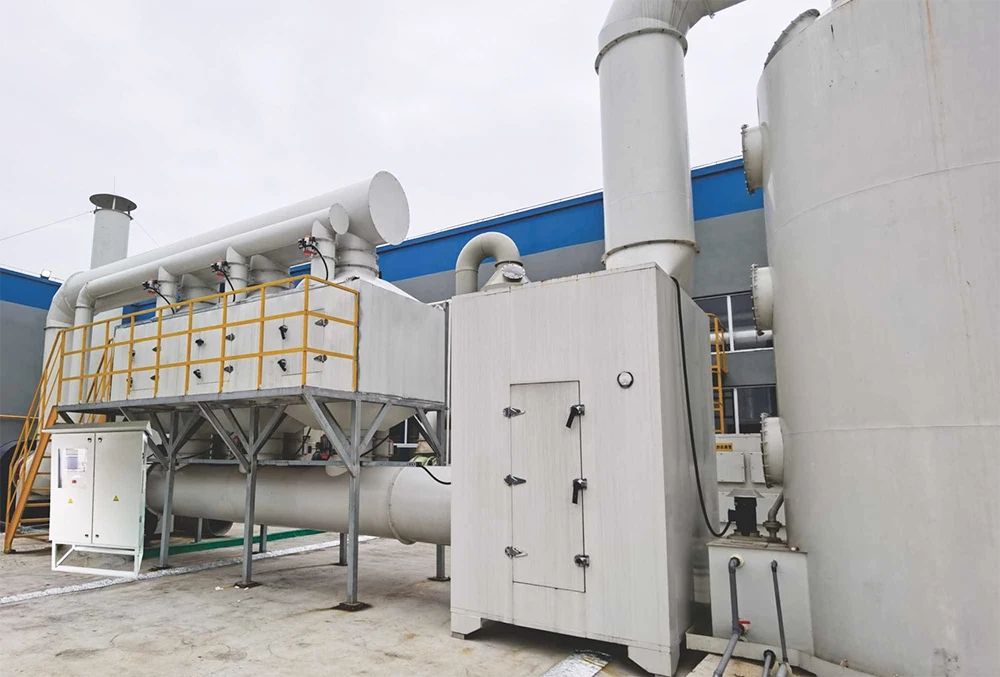
Industrial VOC Treatment System Cost: How to Compare CAPEX, OPEX and Lifecycle Value
+A credible VOC treatment system cost cannot be calculated from airflow alone. The price depends on minimum and maximum airflow, VOC mass loading, compound chemistry, temperature, humidity, co-pollutants, operating hours, outlet requirements, materials, safety controls, site work and the required treatment train. Compare quotations using three separate values: total installed capital cost, annual operating and maintenance cost, and lifecycle cost over the same evaluation period. A lower equipment price can become the more expensive choice when it requires frequent carbon replacement, continuous auxiliary fuel, wastewater treatment or production downtime.
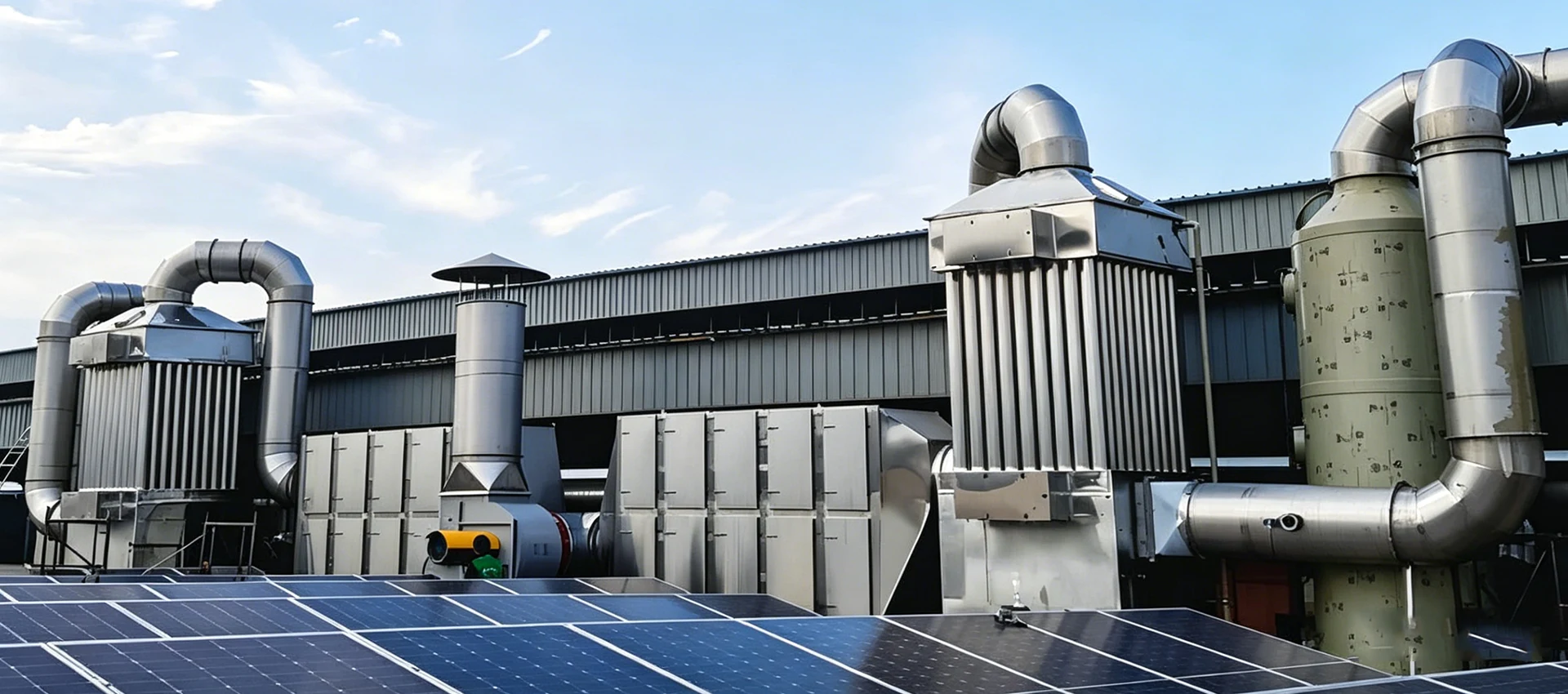
How to Calculate VOC Mass Loading and Removal Efficiency
+When airflow is in m³/h and VOC concentration is in mg/m³, calculate the inlet VOC mass loading as airflow × concentration ÷ 1,000,000. The result is kg/h. For example, 20,000 m³/h at 300 mg/m³ carries 6 kg/h of VOC. Do not calculate control performance from concentration alone when inlet and outlet gas flow differ. Convert both sides to mass rates, then use (inlet mass rate − outlet mass rate) ÷ inlet mass rate × 100. Confirm that flow and concentration use compatible actual or standard conditions, wet or dry basis, and any required oxygen correction.
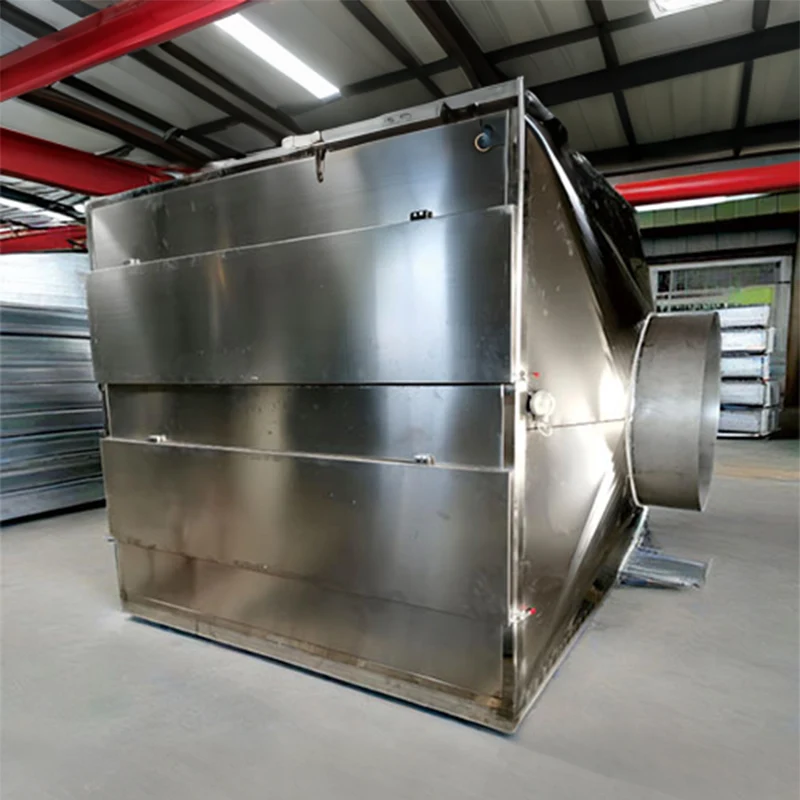
Activated Carbon VOC Treatment: Selection, Breakthrough and Replacement
+Activated carbon removes VOCs by transferring molecules from the exhaust gas onto the carbon surface. The media does not have unlimited capacity. It must be replaced or regenerated before the target compounds break through the bed and exceed the outlet limit. A reliable replacement interval therefore depends on VOC mass loading, compound-specific working capacity, temperature, humidity, competing compounds, bed design, operating hours and the monitoring limit. There is no defensible universal schedule such as "replace every three months." Carbon is often practical for lower-load or intermittent sources and polishing duties. Continuous high mass loading may make replacement expensive, in which case an oxidizer or recovery system should also be evaluated. See the RTO versus activated carbon comparison for the broader selection decision.
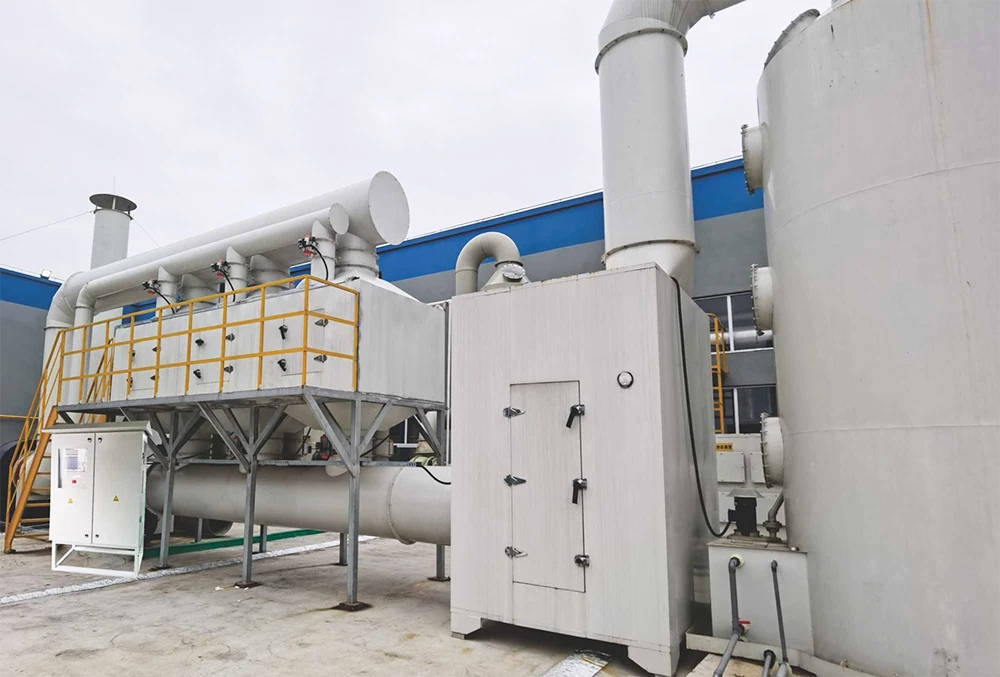
How Does a Regenerative Thermal Oxidizer Work?
+An RTO treats industrial VOC exhaust in three repeating stages. First, a hot ceramic bed preheats the incoming gas. Second, the gas enters a combustion chamber where sufficient temperature, residence time and mixing allow compatible organic compounds to oxidize. Third, the treated hot gas passes through another ceramic bed and transfers much of its heat to that media before leaving the system. Switching valves periodically reverse the airflow so the beds alternate between releasing and storing heat. The RTO working principle is straightforward, but reliable operation depends on the real exhaust composition, VOC mass loading, airflow, particulate or mist content, temperature range, safety controls and emission limit. For technology selection beyond RTO, see the industrial VOC treatment guide.
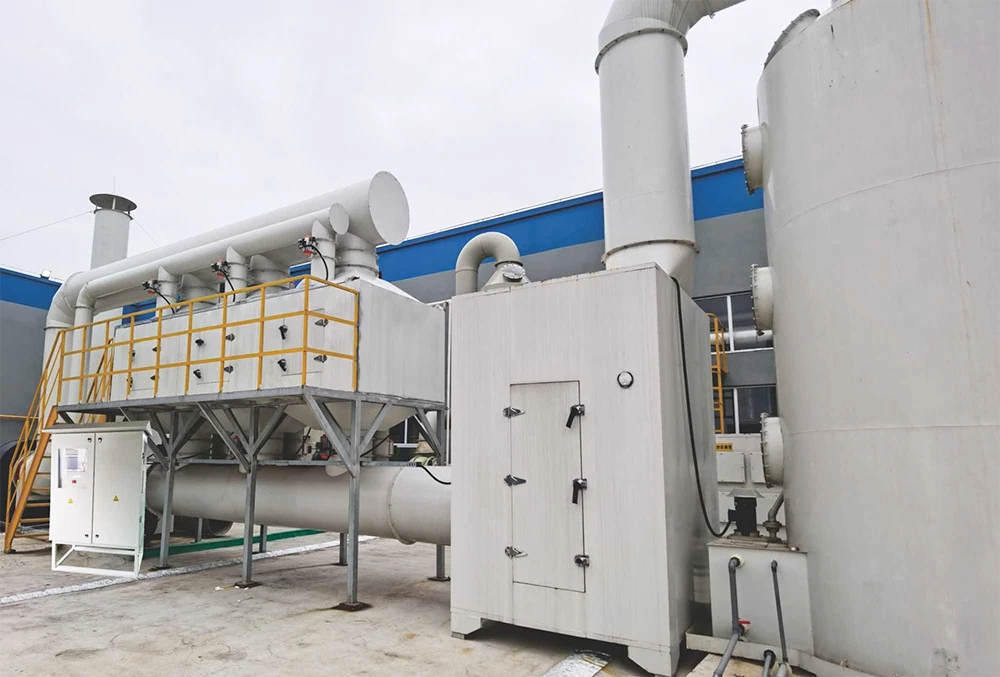
RTO vs Activated Carbon: Which VOC Treatment System Fits Your Process?
+Choose an RTO when the process has a meaningful, reasonably steady VOC mass load, the compounds are suitable for thermal oxidation, and the plant needs continuous destruction rather than routine media replacement. Choose activated carbon when the VOC load is lower or intermittent, the gas is cool and compatible with the selected carbon, and the facility can monitor breakthrough and manage spent or regenerated media. A high-airflow, dilute stream may need source segregation or concentration before either option becomes economical. There is no reliable universal concentration threshold separating the two. Airflow, VOC composition, annual operating hours, humidity, temperature, peak loading and the required outlet limit can change the answer. For a broader view of available technologies, start with the complete industrial VOC treatment guide.
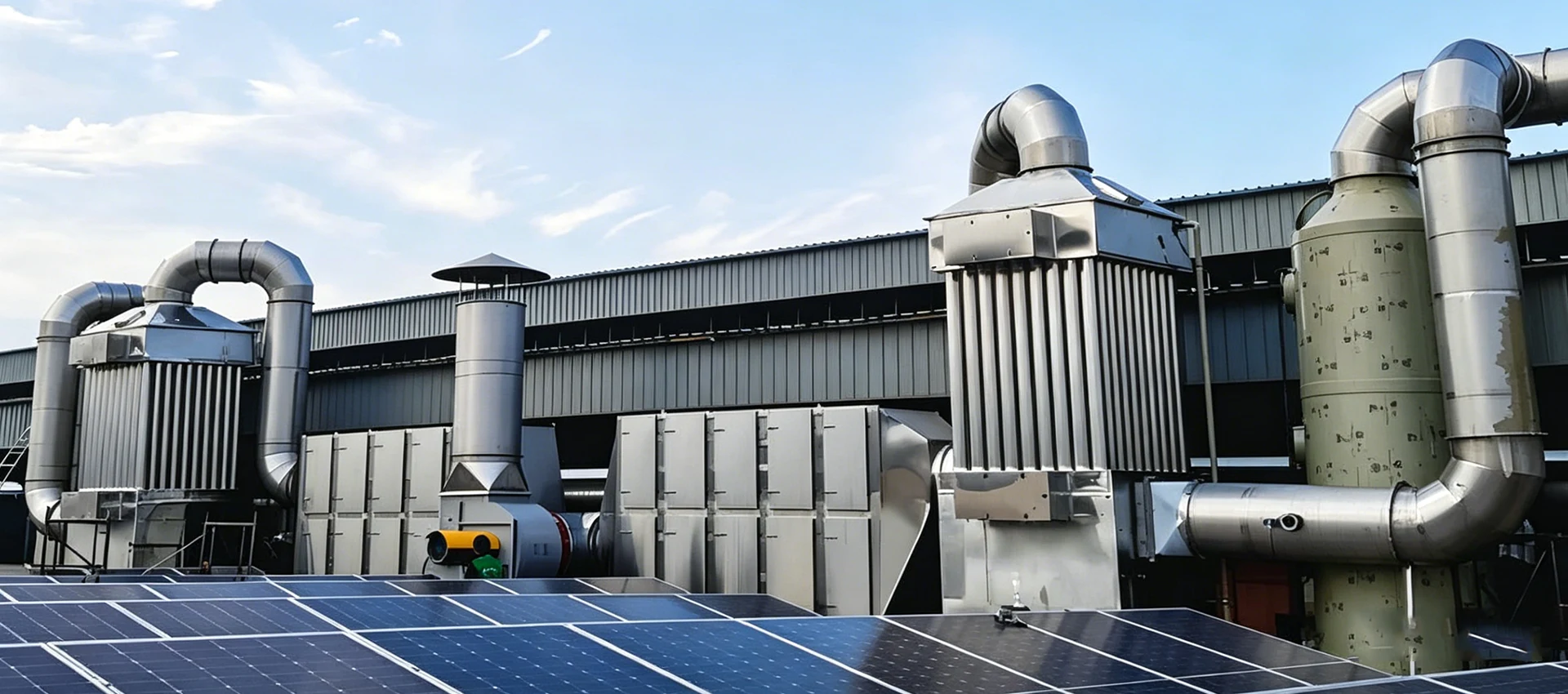
Industrial VOC Treatment: A Practical Guide to Methods, System Selection and Cost
+There is no universal “best” industrial VOC treatment method. The right system depends on the actual exhaust stream: airflow, VOC concentration and mass loading, chemical composition, temperature, humidity, particulate or acid-mist content, operating schedule, safety constraints and the emission limit in the facility’s permit. Thermal and catalytic oxidizers destroy VOCs; activated carbon and zeolite systems capture them; condensers recover suitable compounds; wet scrubbers absorb soluble gases; and plasma or biological systems may suit selected low-concentration or odor-driven applications. Complex exhaust normally needs a treatment train rather than one device.